The Fitting Room
Cloth before clothes: dressing from Venice’s looms
Bevilacqua’s hand looms, Fortuny’s Giudecca works, Palazzo Mocenigo and hats made to measure.
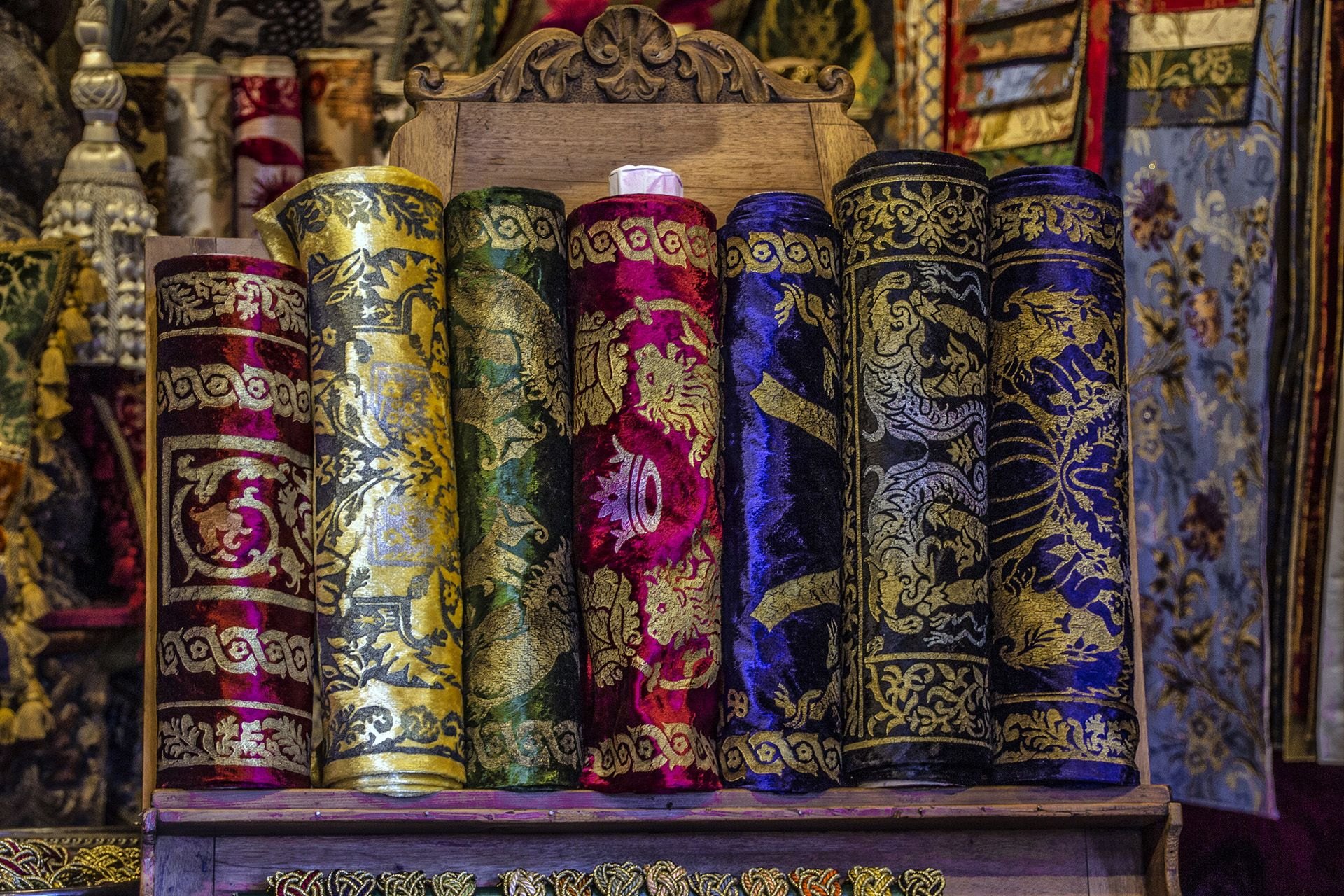
Photo Credit
Image courtesy of © Tessitura Luigi BevilacquaVenice never needed a Savile Row: it made the cloth everyone else wanted. Three centuries of hand-loomed velvet, Fortuny’s printed fabrics from the Giudecca and a hat shop in the old tailors’ building still make the city a place to dress from the fabric up. Where do you buy, what do you have made, and what should you leave to your tailor at home? Checked against the makers’ and museums’ own pages in November 2026.
Cloth before clothes
Venice’s genius was never the tailor’s row. It was the cloth itself, and the people who could make a room, a gown or a gondolier look expensive. Start with the fabric and the rest follows, which is why a Venetian wardrobe is best assembled from the looms up, and why the city’s best-dressed objects are often its sofas.
At Tessitura Luigi Bevilacqua the family has woven for three centuries, it says, on wooden hand looms, and keeps two historic shops in the city. Its silk velvets and damasks are the stuff of palaces, and a waistcoat cut from Bevilacqua velvet is the kind of garment that makes a dinner jacket feel underdressed.
The house on Campo San Beneto
Fortuny, established in 1921, still prints its fabrics on the Giudecca and calls the works the last operating factory in Venice, with techniques it describes as secret and passed down for generations. Mariano Fortuny’s own house, the Gothic Palazzo Pesaro degli Orfei on Campo San Beneto, which he turned into his atelier, is now the Museo Fortuny; this winter it hosts a lecture series, “Grecia Express a Venezia”, until 19 January 2027.
Both houses dress more than people. Airelles Palladio on the Giudecca lists fabrics by Rubelli and Fortuny among the hand-painted frescoes of its rooms, and Rubelli, the Venetian house of fabrics, wallcoverings and furniture, completes the trio. In Venice the curtains are often better dressed than the guests.
Fortuny’s 2026 collection, POLPO, is named after the Italian word for octopus and is, the house says, a renewed dialogue with antiquity. Rubelli, now under the creative direction of the studio Formafantasma, won a Wallpaper* Design Award 2026 for two of its fabrics, James and Scratch. The old houses, in other words, are not resting on their looms.
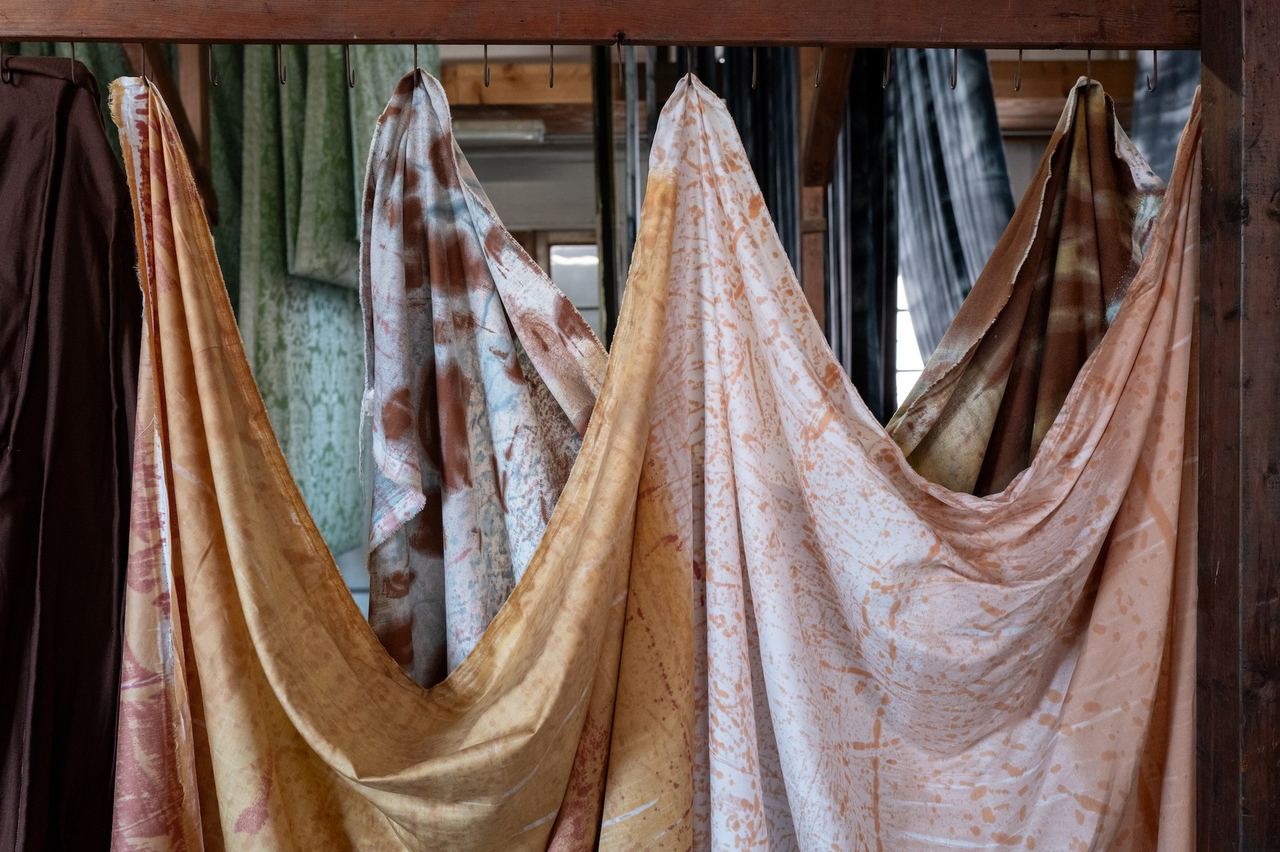
Photo Credit
Image courtesy of © FortunyThe hat, the costume and the archive
For a finished piece you can wear today, go to Giuliana Longo in Calle del Lovo, between the Rialto and San Marco. The shop sits in the Fabbrica dei Sarti, the tailors’ building beside the Scuola Grande di San Teodoro, and the Veneto region lists it as a Locale Storico for keeping its furnishings and style as they were when it opened.

Photo Credit
Image courtesy of © Didier Descouens · CC BY-SA 4.0 via Wikimedia CommonsEverything is made by hand and to measure: straw, cloth and felt, hats for men and women, coloured tricorns and the traditional gondolier’s hat, as well as Panamas from more than twenty years of trips to Ecuador. In December 2023 the shop was also recognised as an Impresa Storica d’Italia. It is the most Venetian souvenir that also keeps the sun off.
In Venice the curtains are often better dressed than the guests.
To see what Venetians once wore, visit the Museo di Palazzo Mocenigo at San Stae, the city’s museum of textiles and costume, with rooms on perfume. The last descendant of the Mocenigo family left the palace to the city in 1945, and it opened as a museum in 1985. Its ceilings were frescoed in 1787 for a family wedding, so the costumes, for once, are in the right room.
Our advice: buy cloth, not clothes, in Venice. Choose a length of velvet or printed fabric, have it made up by your own tailor at home, and come back for the hat.
Why it's on our list
- Cloth before clothes
- The house on Campo San Beneto
- The hat, the costume and the archive
Location
The map comes from Google Maps, which sets its own cookies once it loads.
More in depth
 The Fitting RoomLinen, boots and covered shoulders: what Venice asks you to wearChurch rules, theatre rules, high-water boots and the Lido’s 300 cabanas: dressing for Venice.
 The Fitting RoomFrom the needle to the mask: Venice’s winter seasonLace at Palazzo Mocenigo until 6 January 2027, Burano’s lacemakers and the masks of Carnival 2027.
 The back storyCicchetti in a bacaro to starred tables on the Grand Canal: how Venice eatsFrom cicchetti in a bacaro to Two MICHELIN Stars on the Grand Canal: how Venice eats, and where.