Objects of Desire
Old walls, new keys: the palaces reborn
Palazzo Donà Giovannelli, Palazzo Papadopoli and the Giudecca: how Venice’s palaces became hotels.
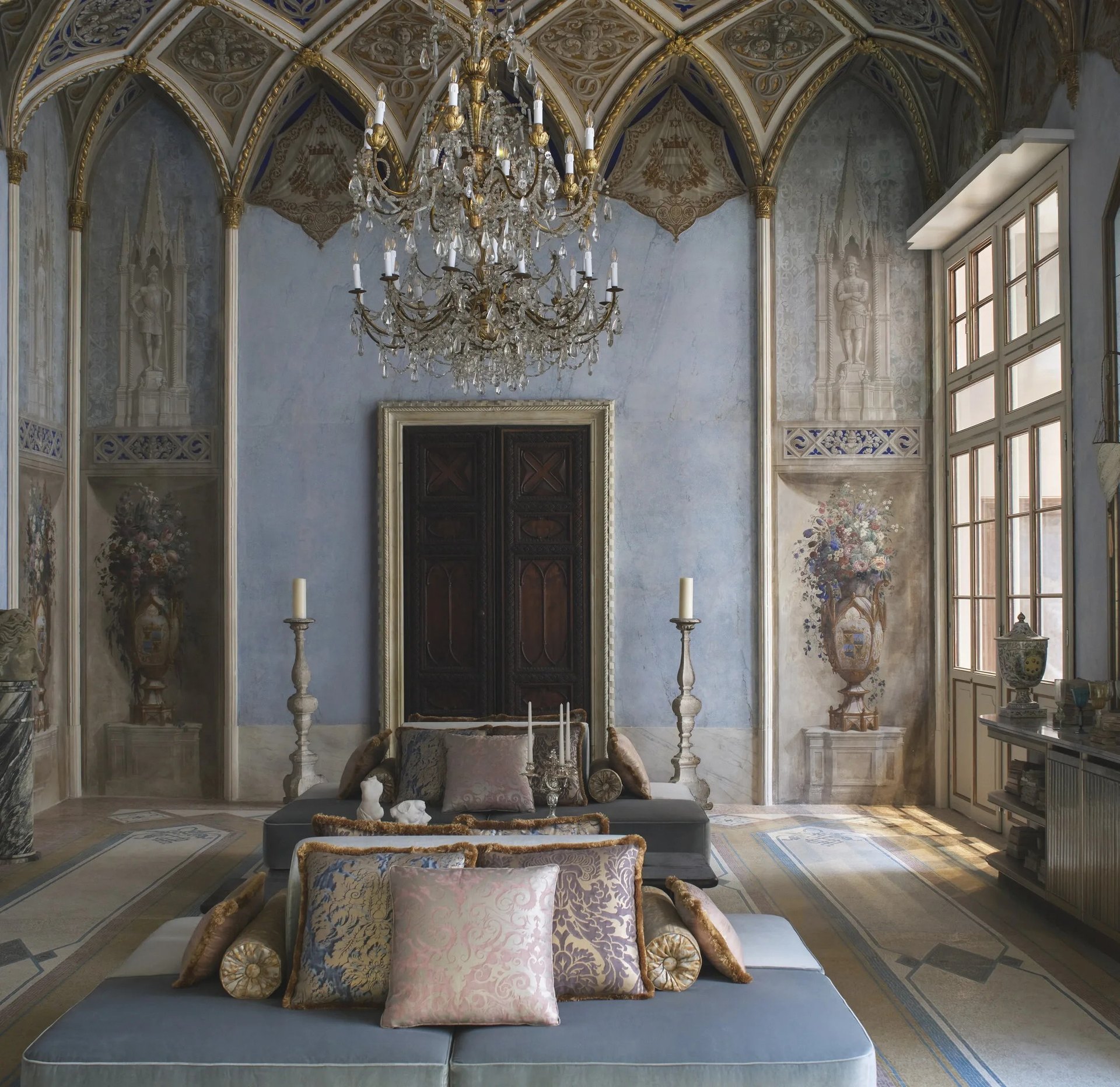
Photo Credit
Image courtesy of © Orient Express VeneziaIn a city that cannot build outwards or upwards, the newest architecture is a restoration. In 2026 a palace of 1436 reopened in Cannaregio, a sixteenth-century Giudecca estate dresses its rooms in Rubelli and Fortuny, and two more palaces are being reworked. What does it take to make an old Venetian house new, and can you see inside? Checked against the owners’ own pages in November 2026; no prices.
The palace business
Venice builds almost nothing new: there is no room, and the lagoon is a strict planning officer. So its great architecture news comes from old walls. The most striking homes in the city now are palaces reopened as hotels, each restored with the patience of a conservator and the budget of a collector. No prices here: only what the owners and architects have done, and what you can see for the cost of a drink.
Orient Express Venezia opened on 30 March 2026 in Palazzo Donà Giovannelli, built in 1436 where two canals meet in Cannaregio. Its façade has a row of seven Gothic windows reminiscent of the Palazzo Ducale. In the mid-nineteenth century Count Andrea Giovannelli had the architect Giovanni Battista Meduna remake the interiors, octagonal staircase and celestial vault included.
The architect and interior designer Aline Asmar d’Amman has now turned it into 47 rooms, suites and residences, with a garden long hidden behind old walls and a former open courtyard made into a grand living room under Murano chandeliers. In 1548, the hotel notes, the palace hosted the wedding of the Duke of Urbino’s son. Weddings, it seems, are still the house speciality.
In 1847, for the Ninth Congress of Italian Scientists, the palace reopened for salons, debates and grand receptions; today the conversation moves between La Casati restaurant and the Wagon Bar, whose name nods to the trains that made the brand, and the debates are mostly about what to order.
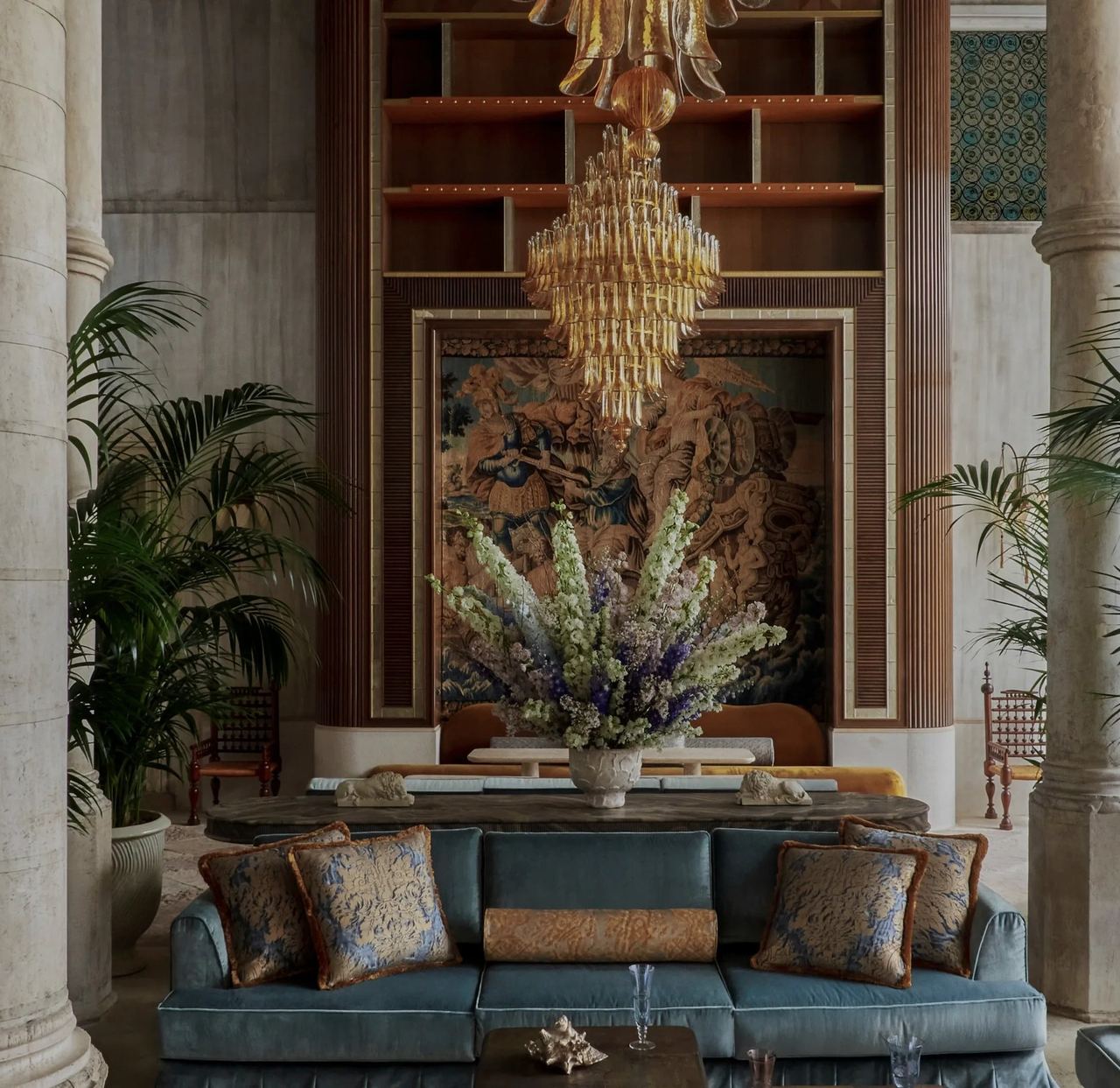
Photo Credit
Image courtesy of © Orient Express VeneziaRare green: gardens on the water
On the Grand Canal, Aman Venice occupies Palazzo Papadopoli, which Aman counts among the city’s eight monumental palazzi on the canal. Rococo works of art meet the contemporary restraint of Jean-Michel Gathy’s interiors, and the palace has private gardens, which Aman rightly calls rare in this floating city. In Venice a lawn is the ultimate luxury: it cannot be imported.
Almost every room, Aman says, looks onto the Grand Canal, under frescoes and reliefs by Italian artists, and its dining rooms, from the piano nobile to the garden, welcome non-residents too. It is the easiest way to see a Grand Canal palace from the inside without a letter of introduction.
In Venice a lawn is the ultimate luxury: it cannot be imported.
Across the water, Airelles Palladio sits in a sixteenth-century property surrounded by gardens on the Giudecca. Hand-painted frescoes, fabrics by Rubelli and Fortuny and antique furniture dress its 17 rooms and 28 suites, and a private villa with three bedrooms. It may be the only hotel upholstered by its neighbours.
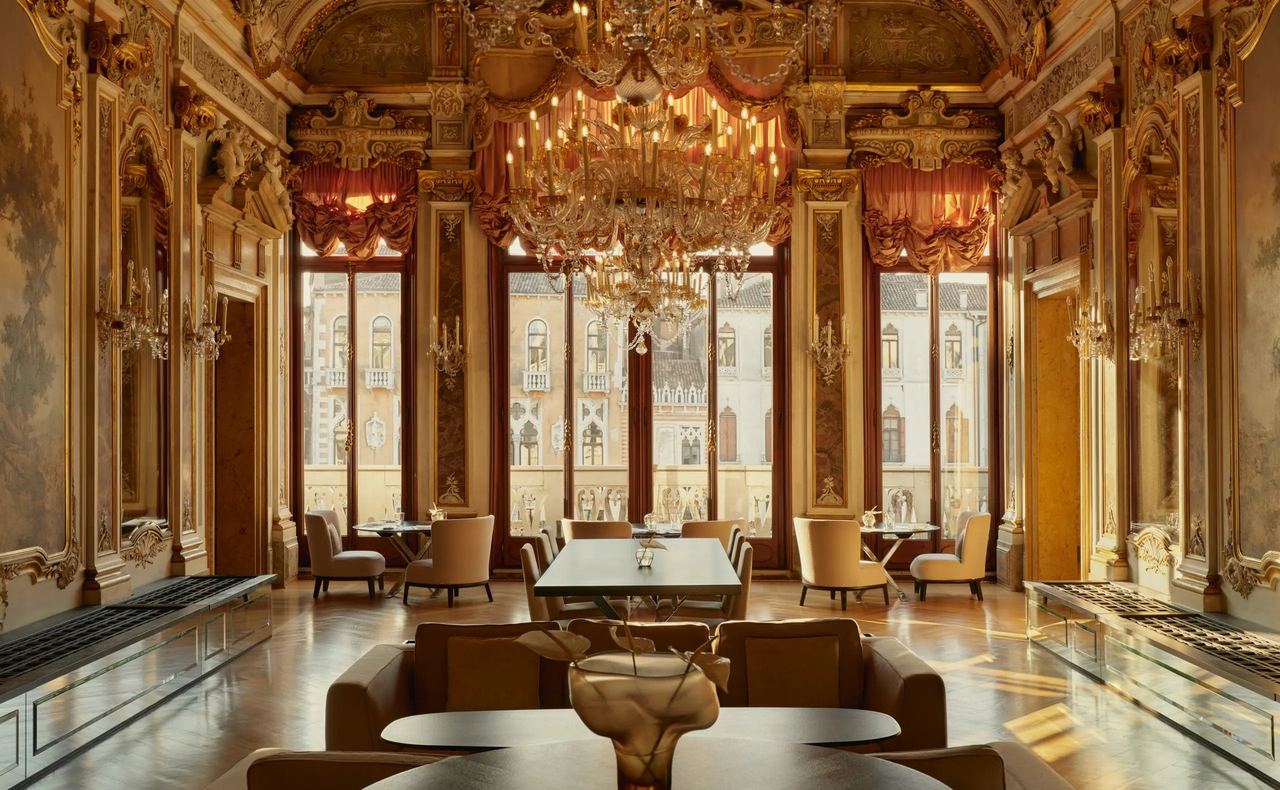
Photo Credit
Image courtesy of © Aman VeniceWorks in progress
Two more palaces are being reworked. The Bauer, built in 1880 on the Grand Canal at San Marco, is to become Rosewood Hotel Bauer under the Venetian architect Alberto Torsello and BAR Studio: just over 110 rooms, more than half of them suites, with a casual restaurant and wine bar on the ground floor, a Venetian restaurant and rooftop bar with a traditional altana, a rooftop garden and an outdoor pool with a bar on the eighth floor.
On Murano, The Langham, Venice is planned as a 133-room hotel with 30 suites, by Matteo Thun & Partners: the original frescoes of a sixteenth-century casino are to be restored, and twentieth-century glass factory buildings turned into a resort. On the island that was handed the furnaces in 1291, the factories are now being handed the guests.
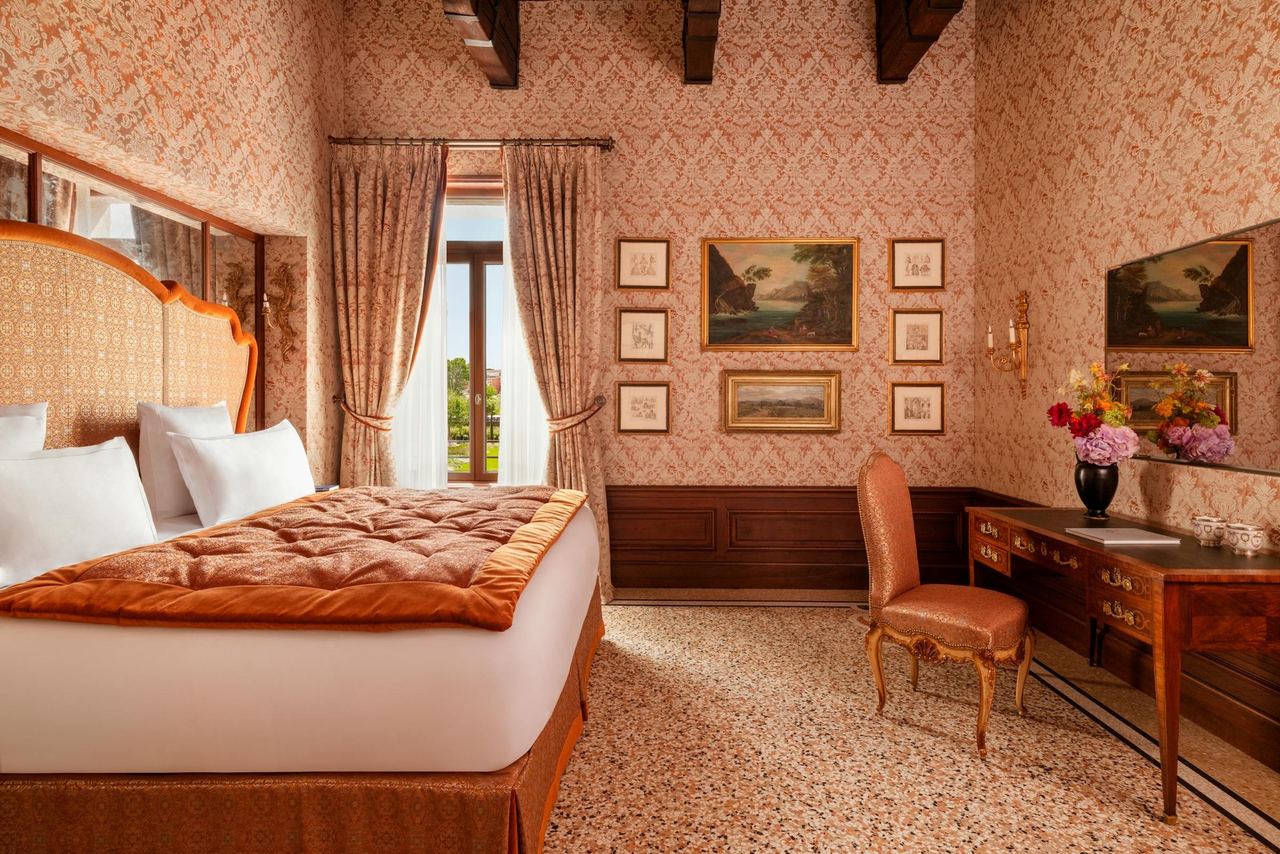
Photo Credit
Image courtesy of © Airelles Palladio, VeniceOur advice: see these houses the civilised way, which in Venice means sitting down, over a drink or a meal in their bars and restaurants where they welcome non-residents, and check each one’s own website for what is open before you go. A coffee in a palace lobby costs less than a tour and teaches more about Venetian architecture than most guidebooks.
Why it's on our list
- The palace business
- Rare green: gardens on the water
- Works in progress
Location
The map comes from Google Maps, which sets its own cookies once it loads.
More in depth
 Objects of DesireA painter in every glass: the Bellini and its relationsThe IBA’s Bellini, the Rossini, Puccini and Tintoretto, and the Venice bars that pour them.
 Objects of DesireLess parked than crouched: the electric Jaguar and the new supercarsJaguar’s Type 00 and Type 01, Ferrari’s first electric car and the record-breakers around them.
 Objects of DesireAll oars, no engines: Venice’s beautiful machinesThe Regata Storica, the 30 km Vogalonga, the carved fórcola and where to learn to row in Venice.